
In the oil and gas industry, safety is paramount. The complexity and inherent risks associated with drilling operations necessitate effective training solutions. Drilling Training Simulation systems play a crucial role in providing a safe training environment, reducing the likelihood of accidents, and enhancing the overall operational proficiency of drilling crews.
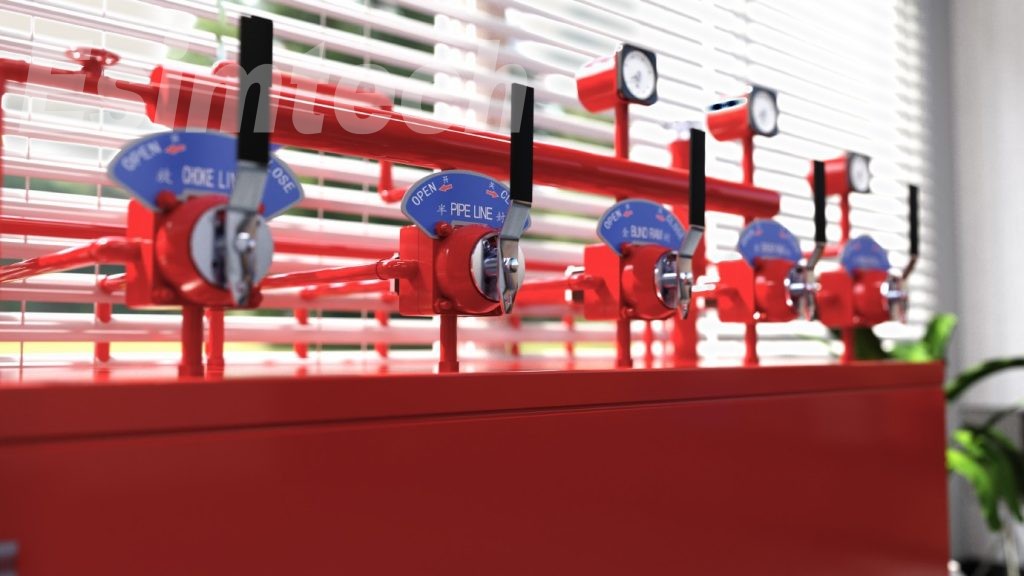
The Importance of a Risk-Free Training Environment
One of the major advantages of drilling training simulators is their ability to offer a Drilling Simulation Training System that eliminates the risks associated with real-world training. Trainees can practice their skills in a virtual environment, allowing them to make mistakes without real-world consequences. This risk-free setting encourages repeated practice, enabling operators to refine their skills and reduce errors during actual operations. The absence of physical hazards, such as equipment damage or personal injury, fosters a more confident and competent workforce.
- Emergency Situations Simulation: Simulators can replicate critical situations like blowouts and pressure loss, teaching operators the correct response techniques.
- Team Collaboration: Different roles can train together in the same virtual environment, enhancing communication and teamwork, which are essential for safety.
How Simulators Enhance Operational Training
Drilling training simulators are equipped with advanced hardware and software that accurately replicate the conditions and challenges of actual drilling operations. The hardware includes realistic control panels and high-precision sensors that respond to trainee inputs, providing an authentic operational experience. The software utilizes complex algorithms and physics models to simulate various drilling phenomena, such as subsurface pressure changes and interactions between the drill bit and geological formations.
| Feature | Description |
|---|---|
| Realistic Control Panels | Simulators use control panels that mimic real drilling equipment, offering a tangible feel for operators during training. |
| Dynamic 3D Graphics | Advanced graphics display real-time drilling operations, allowing trainees to visualize their actions and outcomes effectively. |
Moreover, simulators provide real-time feedback and performance evaluations, which are critical for identifying areas needing improvement. This feedback loop ensures that trainees understand their mistakes and learn to correct them promptly. By focusing on enhancing their operational skills, these systems significantly reduce human error, a common factor in drilling accidents.
Optimizing Drilling Processes Through Simulation
In addition to training, simulators are instrumental in optimizing drilling processes. They allow companies to test and refine operational procedures in a controlled environment, leading to safer and more efficient methods. By simulating various geological conditions and potential drilling scenarios, operators can develop strategies that minimize risks.
- Geological Condition Simulation: Simulators can replicate different geological conditions, enabling trainees to prepare for a variety of challenges.
- Incident Handling Training: Trainees learn to recognize and respond to incidents like stuck pipe situations or equipment failures, reducing the impact of such occurrences on operations.
Furthermore, simulators facilitate standardized communication among team members, ensuring that everyone understands their roles and responsibilities during emergencies. Effective communication is crucial in preventing accidents and maintaining safety protocols.
In conclusion, the integration of Drilling Training Simulation into training programs is essential for enhancing safety and reducing the incidence of drilling accidents. By providing a realistic, risk-free training environment, these systems enable operators to develop their skills, improve teamwork, and optimize operational procedures. As the industry continues to evolve, the importance of such training solutions will only increase, paving the way for safer drilling practices and more efficient operations.