
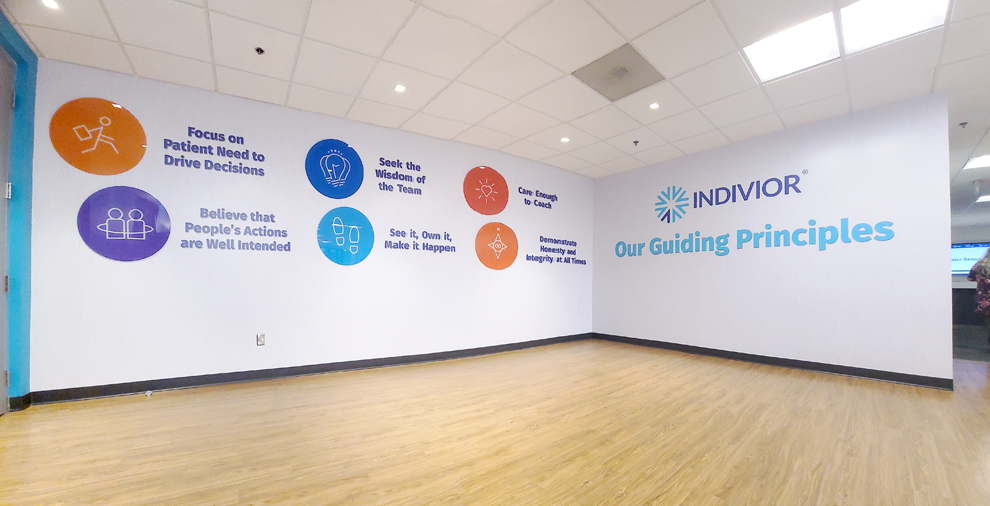
In today’s fast-paced corporate environment, workplace interiors are more than just functional spaces—they are reflections of a company’s brand identity and values. Among the many tools businesses use to communicate their brand, Custom Directional Signs Washington DC play a crucial role. Beyond helping visitors and employees navigate a building, these signs contribute to a cohesive and professional office atmosphere, enhancing both aesthetics and functionality. Companies like Heritage Signs & Displays specialize in creating high-quality directional signage that aligns with the corporate image while improving workplace navigation.
The Importance of Directional Signage in Workspaces
Directional signage is often overlooked, yet it serves as an essential element in office design. A well-designed Directional Signs Washington DC system provides clear guidance, reduces confusion, and ensures visitors feel confident navigating unfamiliar spaces. For multi-floor buildings, corporate campuses, and shared office environments, these signs prevent bottlenecks, streamline foot traffic, and minimize disruptions.
From an employee perspective, clear wayfinding signage saves time, enhances productivity, and fosters a sense of organization. For clients and visitors, professionally designed signs convey attention to detail and reinforce a company’s commitment to professionalism. This dual functionality—practical guidance combined with branding—makes custom directional signage a strategic investment for any office.
How Custom Directional Signs Enhance Office Branding
Branding in office spaces is no longer limited to logos or color schemes. Every visual element contributes to the overall impression, and custom signage plays a vital role in this ecosystem. By integrating corporate colors, fonts, and logos into Directional Signs Washington DC, businesses can create a unified environment that reflects their brand identity.
For instance, a technology firm may opt for sleek, modern signs with minimalist typography, while a law firm might choose classic, polished designs with sophisticated finishes. Custom directional signage allows for these design nuances, helping businesses communicate their ethos subtly yet effectively. Heritage Signs & Displays has extensive experience in tailoring signage solutions to complement a company’s existing branding, ensuring that every sign is not only functional but also a design statement.
Types of Directional Signs for Office Workspaces
When it comes to workplace navigation, there is a wide range of signage options available. Selecting the right type depends on factors like building layout, traffic flow, and overall design aesthetics. Common types include:
Wall-Mounted Signs: These signs are ideal for hallways and corridors, providing clear directions without occupying floor space. They can be made from materials such as acrylic, aluminum, or wood, and are easily customized to reflect branding elements.
Freestanding Signs: Positioned in lobbies or open spaces, freestanding signs are versatile and eye-catching. They are particularly useful in guiding visitors through reception areas or complex office layouts.
Ceiling-Mounted and Hanging Signs: Perfect for larger office floors or open-plan environments, these signs are visible from a distance, ensuring quick wayfinding for visitors.
By combining different types of signs strategically, offices can create a seamless and intuitive navigation experience that enhances both the employee and visitor journey.
Material Options and Design Considerations
The materials and finishes used for Directional Signs Washington DC significantly impact both durability and visual appeal. Acrylic, aluminum, wood, and PVC are popular choices, each offering unique benefits. Acrylic provides a modern and polished look, while wood adds warmth and elegance. Aluminum is durable and ideal for high-traffic areas, and PVC offers affordability with versatility in design.
Design considerations extend beyond materials. Fonts, colors, and iconography should ensure readability and accessibility. Consistency in style across all signage reinforces branding, while strategically placing signs at decision points guarantees effective guidance.
ADA Compliance and Accessibility
Ensuring accessibility is a critical aspect of workplace signage. Directional signs must comply with the Americans with Disabilities Act (ADA), which sets standards for readability, height, contrast, and tactile features. Incorporating ADA-compliant signs demonstrates a company’s commitment to inclusivity, making the workplace welcoming for everyone.
Custom signage providers like Heritage Signs & Displays have extensive knowledge in creating ADA-compliant signs without compromising on aesthetic quality. This balance between functionality, compliance, and design ensures that all employees and visitors can navigate office spaces effortlessly.
Benefits of Investing in Custom Directional Signage
Investing in custom directional signage offers numerous benefits for businesses looking to enhance office branding and operational efficiency:
Enhanced Visitor Experience: Clear wayfinding reduces stress and confusion for clients and visitors, creating a positive first impression.
Stronger Brand Identity: Integrating corporate colors, logos, and design elements reinforces brand recognition and professional image.
Improved Workplace Efficiency: Employees spend less time giving directions or searching for rooms, resulting in smoother operations.
Compliance and Safety: Properly placed, ADA-compliant signs contribute to workplace safety and accessibility.
Longevity and Durability: High-quality materials and professional fabrication ensure signs remain effective and attractive for years.
For businesses looking to explore more options, click here for Wayfinding Sign Solutions to get a better understanding of design possibilities and materials.
Implementation and Installation Process
A successful directional signage system requires careful planning and professional installation. The process typically begins with a thorough assessment of the office layout, identifying high-traffic areas, decision points, and potential bottlenecks.
Next, a signage plan is created, integrating branding elements and material selections. Once approved, signs are fabricated to precise specifications. Professional installation ensures correct placement, alignment, and durability. Using an experienced provider like Heritage Signs & Displays guarantees that every step—from design to installation—is executed flawlessly, delivering a polished and functional signage solution.
For more information on professional sign services, businesses can go to the website and check out Heritage Signs & Displays Sign Company. This resource provides insights into the types of signage services available, including interior and exterior signage solutions.
Case Studies: Real-World Applications
Many organizations in Washington DC have benefited from implementing Custom Directional Signs to enhance workplace navigation and branding. For instance:
Corporate Offices: Large firms with multiple floors and departments have improved employee efficiency and visitor experience by installing coordinated wall-mounted and freestanding signs.
Healthcare Facilities: Clinics and medical offices have used clear directional signage to guide patients efficiently, reducing wait times and confusion.
Educational Institutions: Universities and training centers have incorporated branded wayfinding signage to help students and visitors navigate sprawling campuses with ease.
These examples demonstrate how strategic signage implementation not only supports functional navigation but also strengthens overall brand perception.
Trends in Modern Directional Signage
The evolution of office design has influenced the development of modern directional signage. Current trends include:
Minimalist Designs: Simple, clean lines and uncluttered visuals improve readability and complement contemporary office interiors.
Digital Integration: Interactive and digital displays offer dynamic wayfinding and real-time updates, particularly useful in large or multifunctional office spaces.
Sustainable Materials: Eco-friendly materials are gaining popularity as businesses prioritize sustainability without compromising aesthetics.
Custom Branding Elements: Innovative designs incorporate logos, corporate colors, and unique icons to reinforce brand identity consistently.
Staying up-to-date with these trends ensures that signage is not only functional but also visually appealing and relevant to modern office design.
Conclusion
Custom directional signage is a vital component of workplace interiors, combining functionality with branding to create a professional and organized environment. From improving navigation to reinforcing corporate identity, Directional Signs Washington DC play a strategic role in office design. Partnering with experts like Heritage Signs & Displays ensures that signage is thoughtfully designed, ADA-compliant, and visually aligned with brand aesthetics.
For organizations seeking to enhance their office spaces, investing in professional directional signage is more than a practical necessity—it is an opportunity to strengthen brand identity, improve visitor experience, and create a cohesive, professional workplace environment. Click here for more information and to get started on transforming your workspace with custom signage solutions today.